HIMSS 2026: From Digital Progress to Meaningful Patient Experience
Subscribe to our Newsletter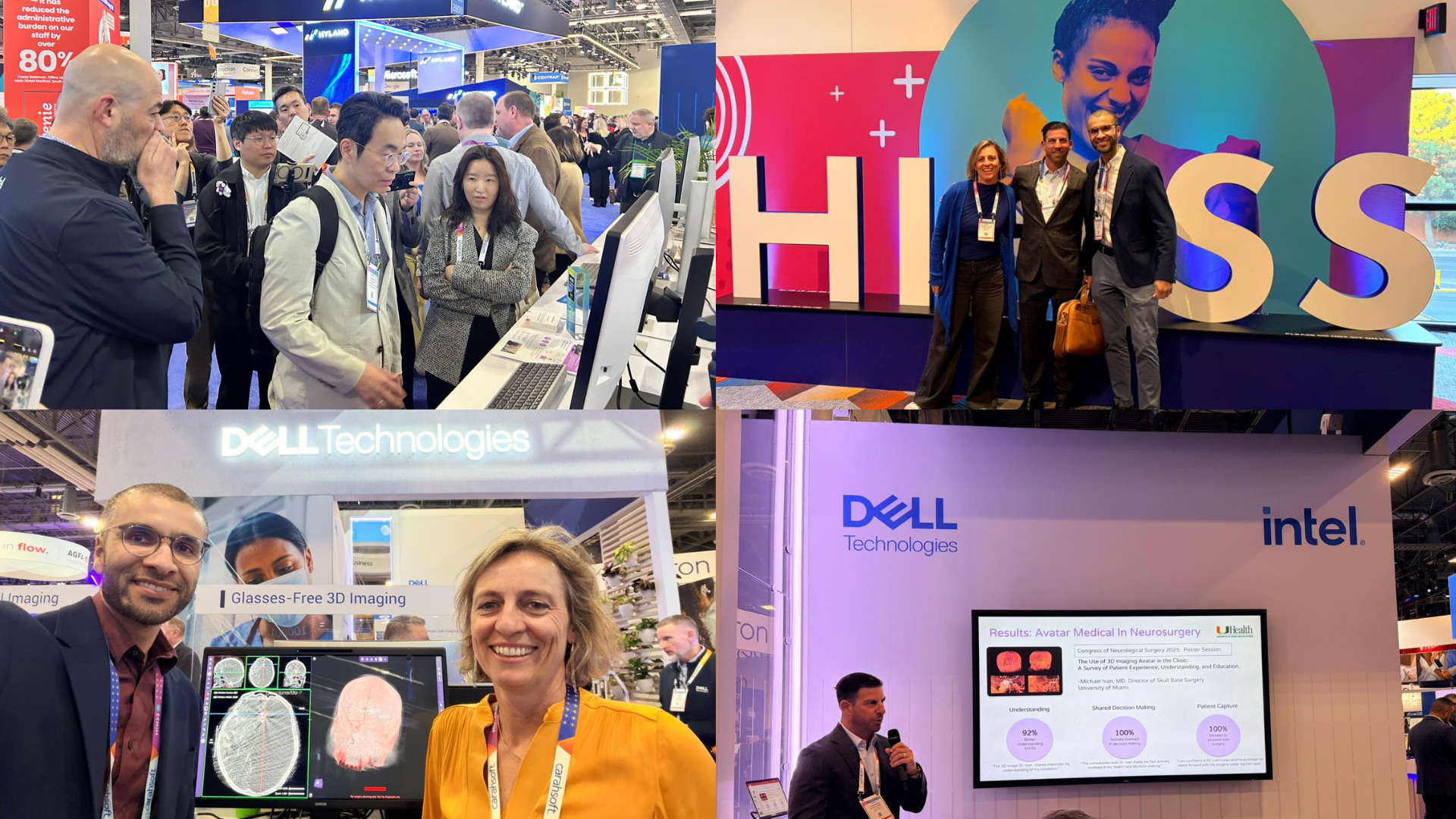
We left this year’s HIMSS Global Health Conference & Exhibition encouraged, not because of any single announcement, but because of the direction of the conversations, and what they signal about the direction where healthcare is going next.
To no one’s surprise, AI was everywhere. But what stood out to us was how the conversation has evolved. The focus has shifted from the adoption of AI to how it is being deployed, orchestrated, and evaluated within healthcare systems. There is growing attention on ensuring quality, managing implementation, and making these tools work within the realities of hospital environments. This is a meaningful shift as it reflects an industry moving beyond research and testing, toward operational use.
Digital Transformation Has Reached a Baseline
One of the clearest takeaways is that the digitization of patient records is now a widely accepted practice across the industry. Electronic records, advanced imaging, and AI-driven workflows are now par for the course. Healthcare systems have made significant progress in building the digital infrastructure needed to support modern care delivery. At the same time, that progress has largely been focused on processes and systems. Unfortunately, the patient experience has not evolved at the same pace.
The Missing Piece: Communication in the Consultation
This gap came up consistently in our conversations with clinicians, health system leaders, and technology partners. There is a growing recognition that while diagnostics have become more sophisticated, communication during the consultation remains limited. Patients are still often presented with information in formats that are difficult to understand - what is clear to a clinician is not always clear to a patient.
That disconnect has real consequences, not only for patient confidence and decision-making, but also for overall experience and outcomes.
Patient Experience Is Becoming a Strategic Priority
We also heard more direct conversations around patient experience as a measurable and financially relevant priority. Healthcare leaders are increasingly focused on improving HCAHPS scores and recognizing the broader impact that patient understanding has on performance. One example that stood out was a health system creating a training center where practitioners are placed in the position of the patient. The goal is simple: to better understand how communication is perceived and where it can be improved.
This reflects a broader shift. Patient experience is no longer viewed as secondary, it is becoming part of how the industry evaluates and improves care.
Integration Into Workflow Changes the Conversation
Another important theme was feasibility. Many leaders we spoke with immediately connected the value of improving patient understanding with the ability to integrate new approaches into existing workflows, particularly through systems like PACS and EHR. When solutions fit naturally into how clinicians already work, they move from being conceptual to practical. That is when adoption becomes possible at scale.
Generative AI and the Return of Time
Generative AI was also a key topic, particularly in the context of documentation and administrative burden.There is strong interest in using AI to reduce the time clinicians spend writing notes and interacting with the EHR. If successful, this creates an opportunity to shift time back toward patient interaction.
That shift matters. It creates space for more direct communication, where physicians and patients can focus on understanding and decision-making, rather than screens and data entry.
A Clear Direction Forward
What HIMSS made clear is that healthcare has made significant progress in digitization. The next phase is about how that technology is used. There is a growing awareness that improving workflows is only part of the equation. The industry is beginning to focus more directly on how technology can support better communication, stronger patient engagement, and a more meaningful care experience.
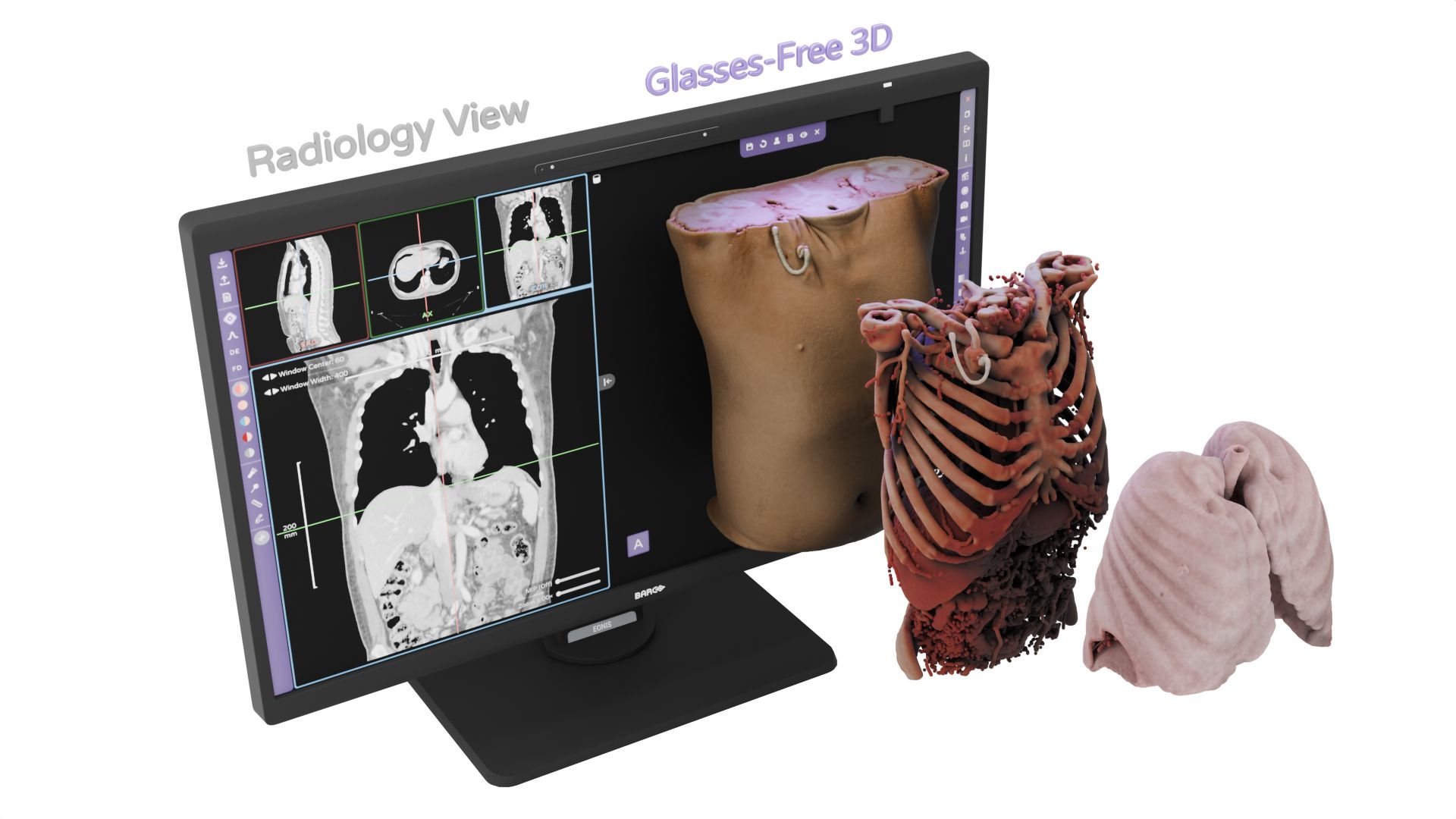
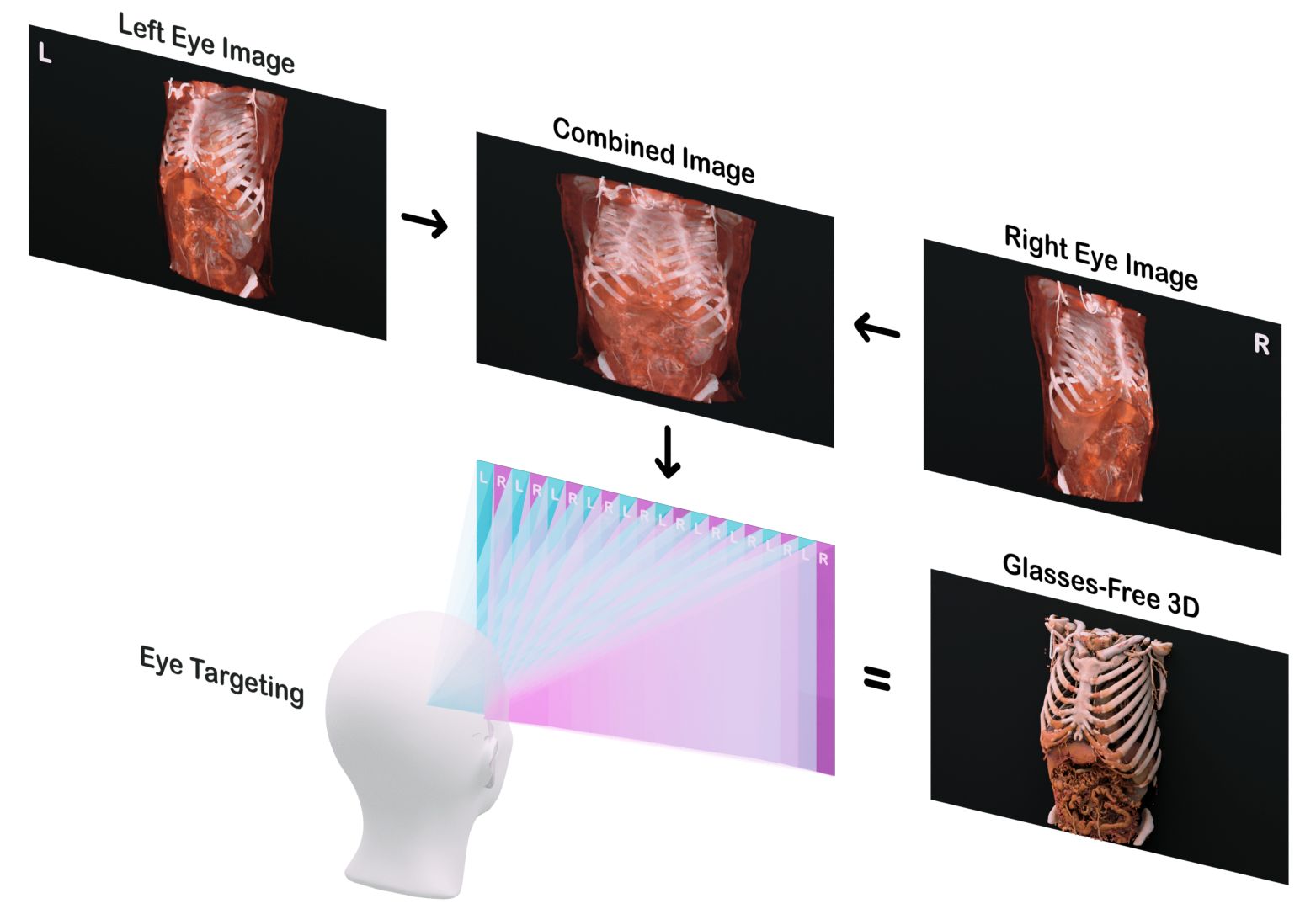
We left encouraged because that shift is underway. And in many ways, it reinforces what we experienced throughout the week, seeing firsthand how quickly clinicians and healthcare leaders respond when they are presented with tools that make complex medical information easier to understand, without adding friction to their workflow. This was especially evident in discussions around the consultation itself, where solutions like Eonis Vision transform CT and MRI data into intuitive, visual formats that physicians and patients can review together, making understanding immediate and shared rather than abstract and one-sided.
Now the focus is on continuing to build, ensuring that innovation reaches the point of care, where it can make a tangible difference for both clinicians and patients.