When Patients Can See: How 3D Visualization Is Transforming Medical Consultations
Subscribe to our Newsletter
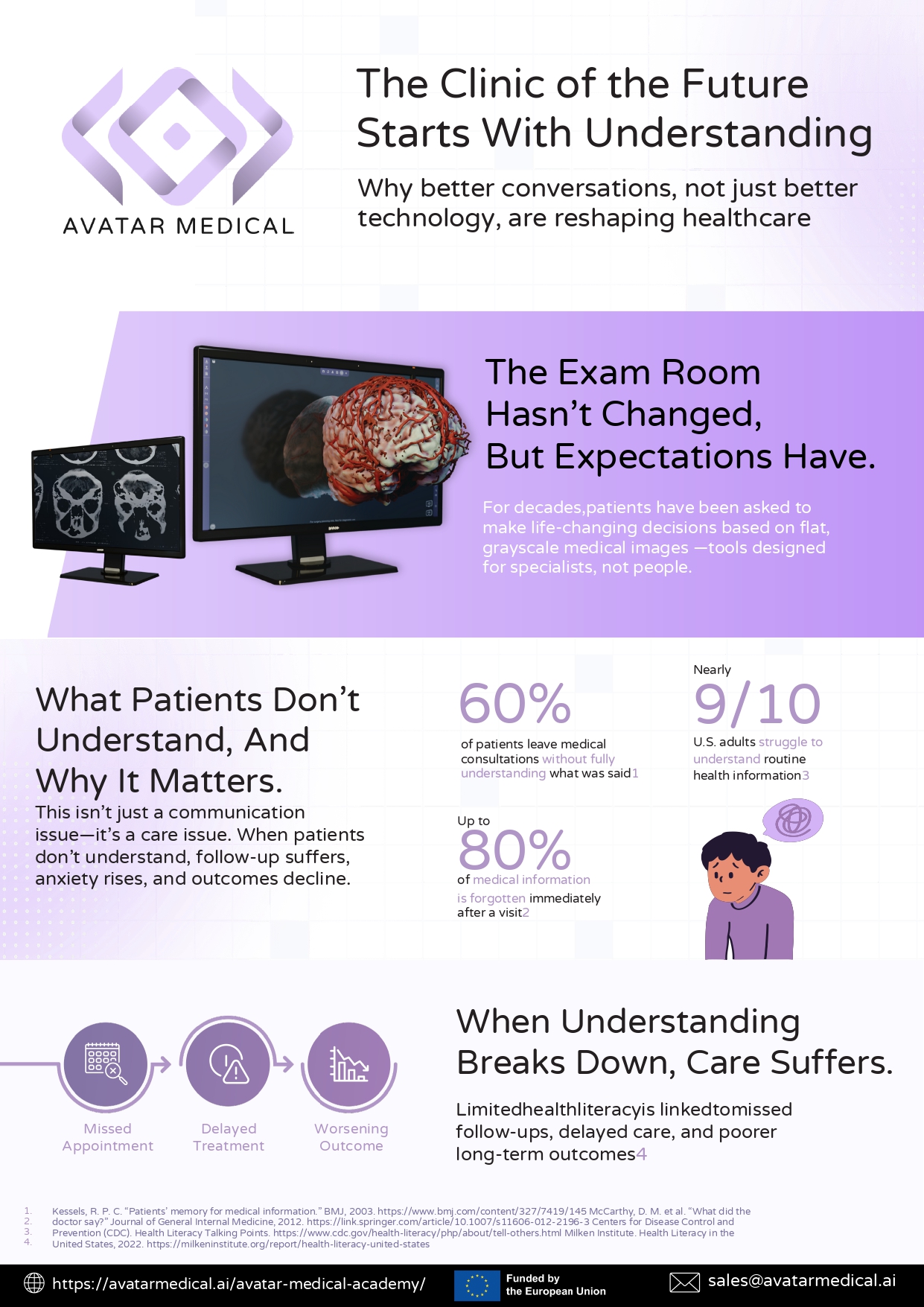
Inside today’s consultation room, communication gaps remain common. Most patients are asked to interpret flat, grayscale medical images that were designed for specialists, not for patient understanding. As a result, consultations often involve repeated explanations, passive listening, and high levels of anxiety or uncertainty about medical decisions.
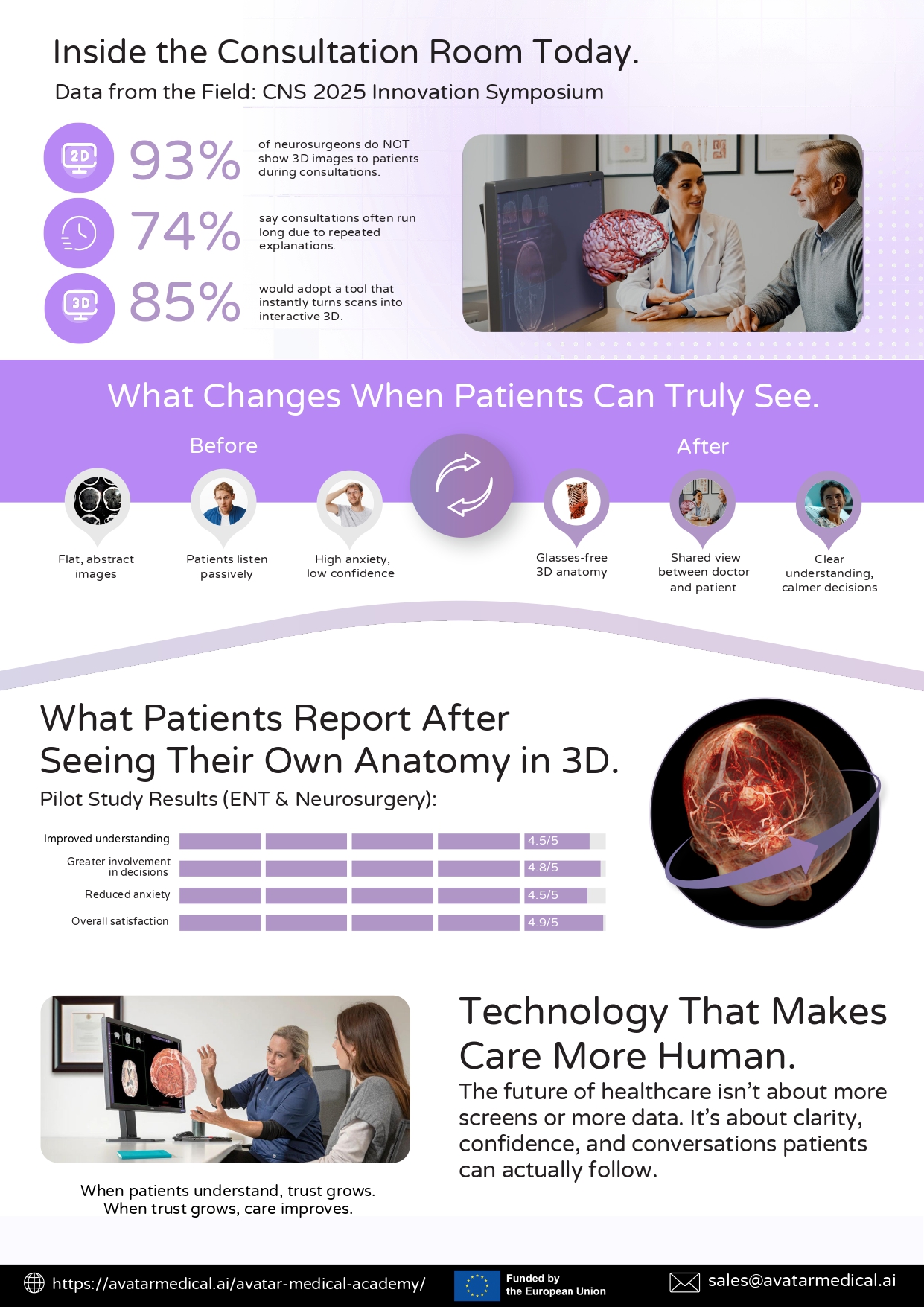
Data from the CNS 2025 Innovation Symposium highlights how clinicians experience these challenges in practice. 74% of neurosurgeons report that consultations often run longer due to repeated explanations, and 85% say they do not currently show 3D images to patients during consultations. At the same time, 93% would adopt a tool that can instantly transform scans into interactive 3D, indicating strong demand for better communication tools.
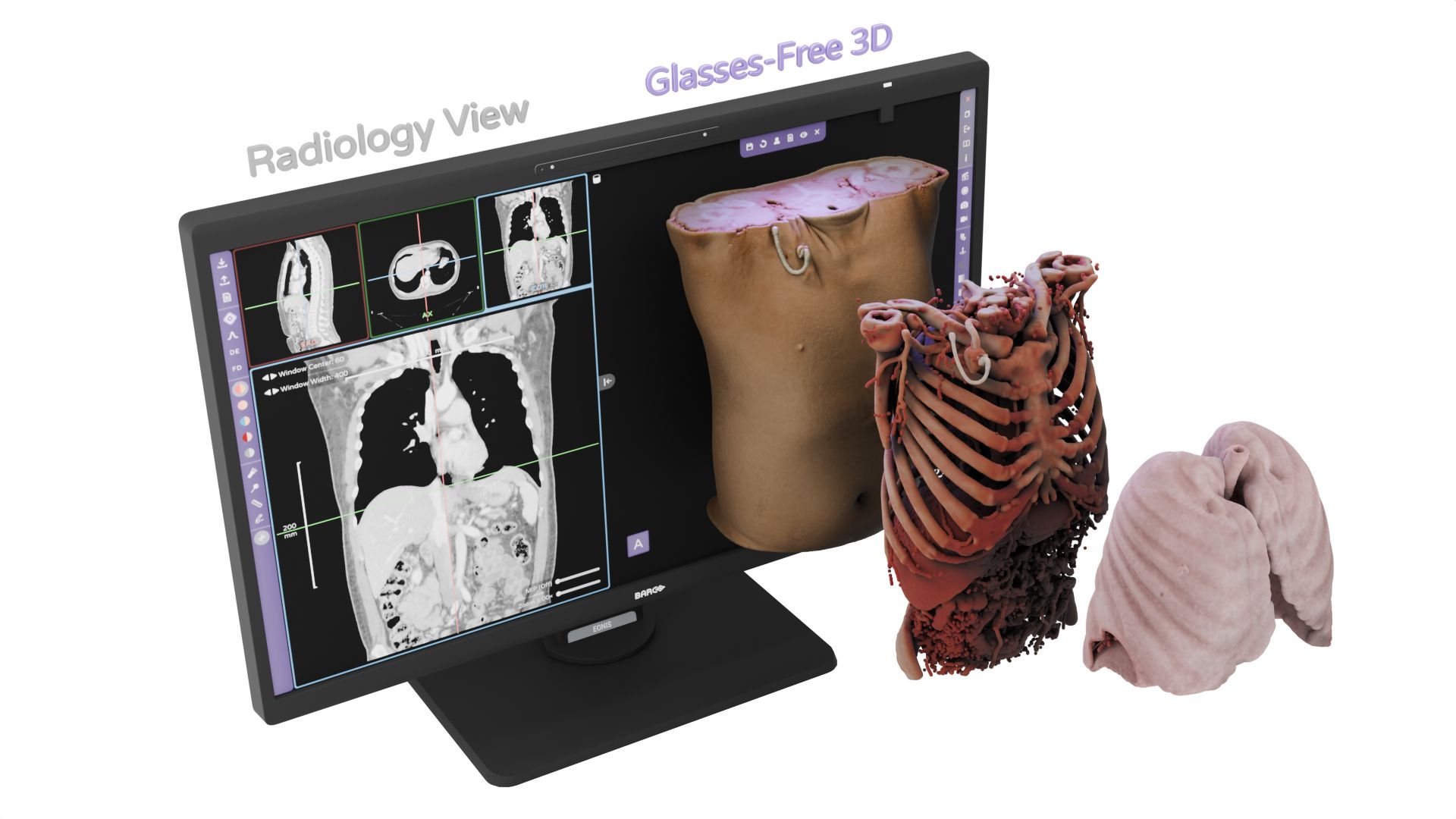
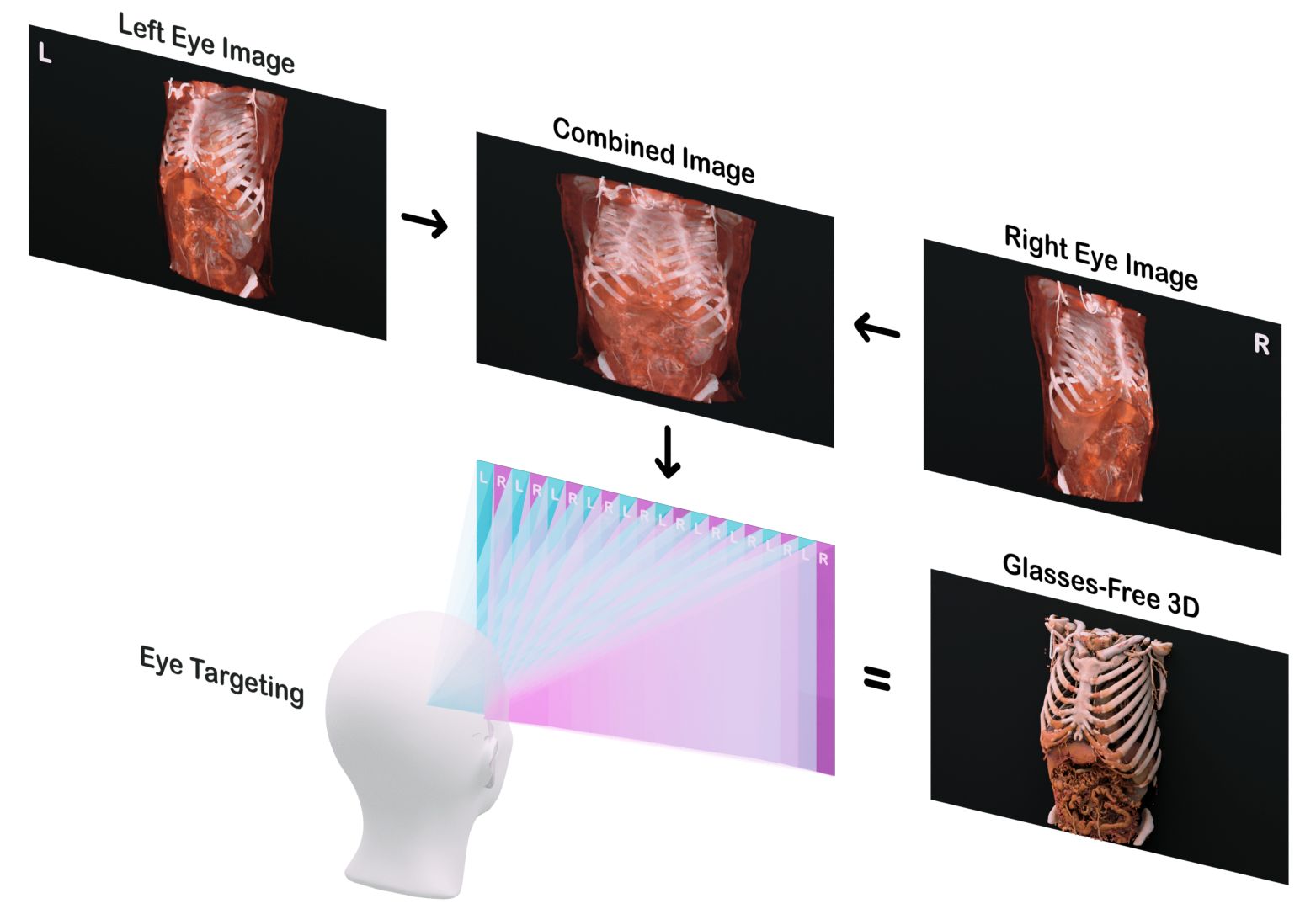
When patients are able to see their own anatomy in glasses-free 3D, the dynamic of the consultation changes. Instead of passively listening, patients and clinicians can share the same visual perspective. This shared understanding helps transform complex imaging into clear explanations, enabling calmer, more confident decision-making.
Early pilot studies in ENT and neurosurgery consultations support this shift. Patients report greater involvement in treatment decisions, reduced anxiety, improved understanding, and higher overall satisfaction after seeing their own anatomy in 3D.
These insights suggest that the future of patient communication may lie not just in more data—but in making medical information truly visible and understandable.