For centuries, the human body was a black box. The advent of medical imaging, from the X-ray to CT and MRI, rewrote that reality, transforming medicine from relying on clinical intuition into a discipline of visual certainty. However, this only exists if we can interpret the data correctly.
Today, medical imaging is no longer just a diagnostic tool: it is a 3D blueprint for surgical treatment.
Yet, medical images still live in a silo.
It takes a decade to truly understand a medical image—the typical time needed to train a radiologist. Anyone who works with them knows they possess a unique cognitive superpower: being able to scan grayscale 2D image slices and mentally reconstructing them in 3D.
For non-radiologist clinicians, these mental gymnastics are incredibly difficult. The consequences of this visual literacy gap are real. We demonstrated in a study that a non-negligible number of surgeons were unable to correctly identify which breast contained a cancerous lesion when examining the traditional 2D MRI images (El Beheiry, et al., JCO Clinical Cancer Informatics).
While making medical images universally accessible and intuitive to non-radiologists is a prerequisite for collaborative medicine, as far as the ultimate stakeholder, the patient, is concerned, a 2D medical image can resemble a Rorschach test.
How do we decode the complex language of medical imaging for everyone?
At Avatar Medical, we believe the solution is simple: the world in which surgery and treatment occur is inherently three-dimensional. Medical imaging should be too.
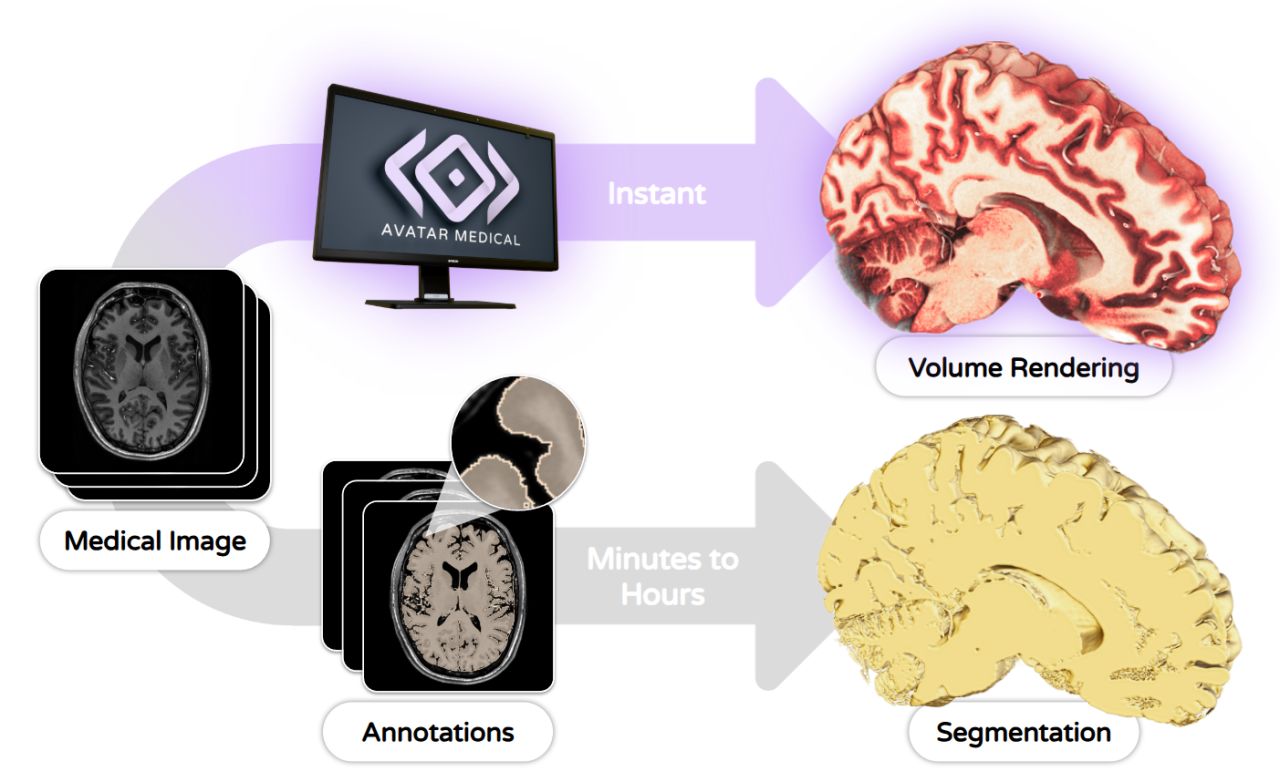
That said, real-time 3D imaging has historically been a big undertaking. Traditional files are slow to download, and turning hundreds of flat images into a seamless 3D model requires a complex blend of math and visual design.
Our flagship product, Avatar Medical Vision, addresses this bottleneck. By loading patient images directly from the patient electronic health record (EHR) in mere seconds, it generates a fluid, anatomically faithful, and detailed 3D patient representation that we call an avatar.
We built our solution to be as efficient and intuitive as possible:
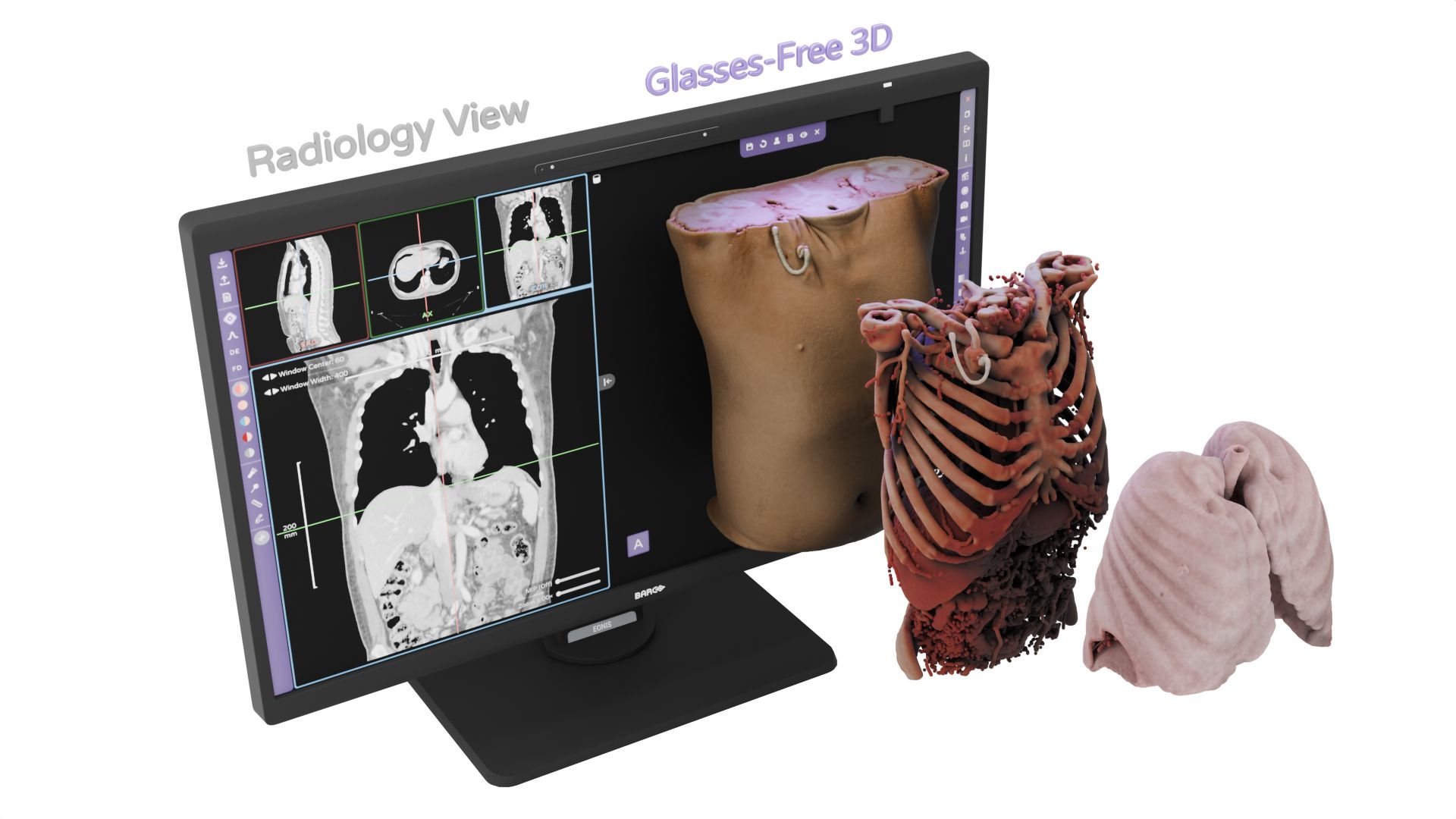
1. A Shared Visual Language: Surgeons and patients see what the radiologist sees with 2D and 3D view synchronization and anatomy selection.
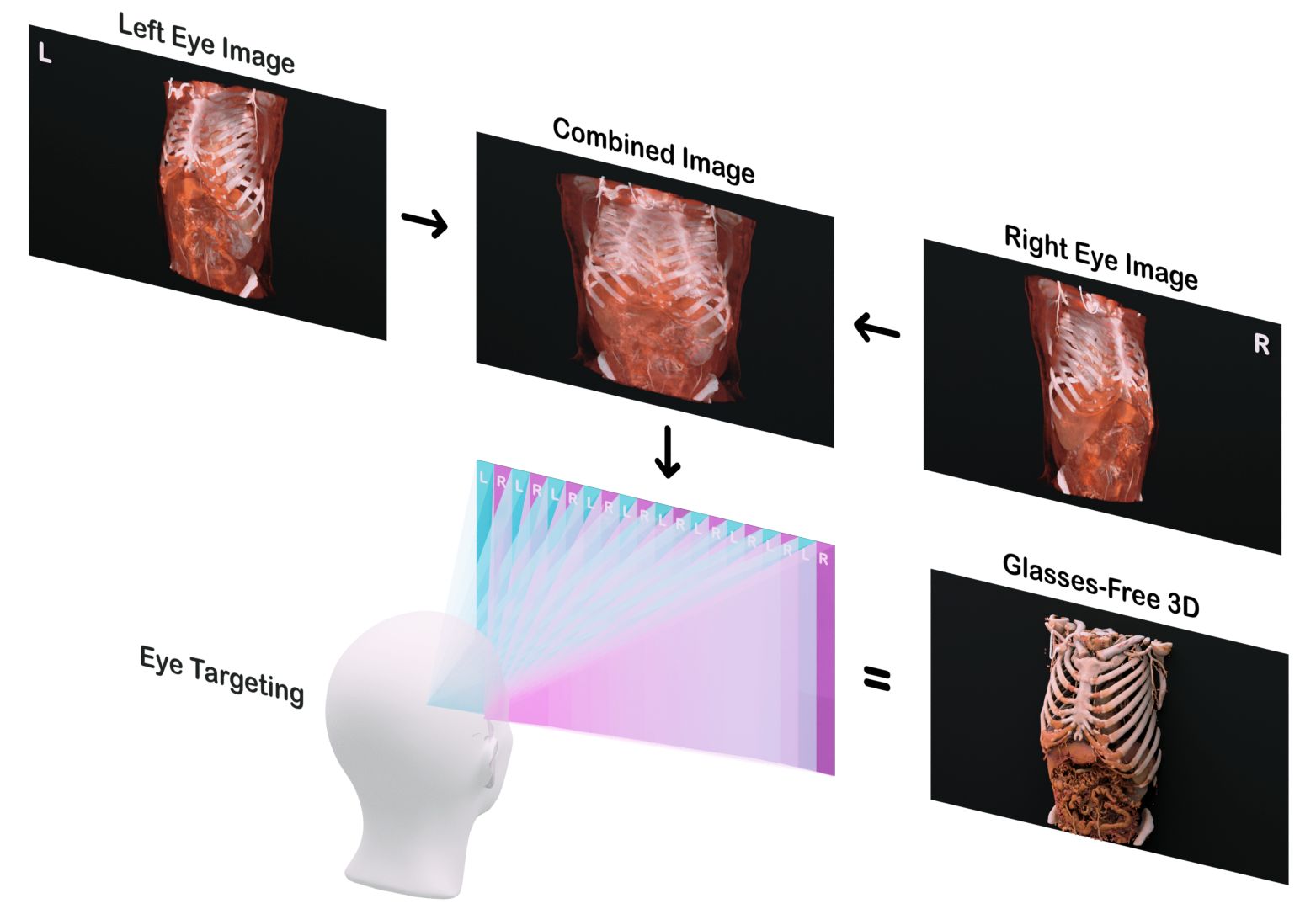
2. True “Depth”: With Eonis Vision bundle, the patient avatar literally "pops" out of a Barco Eonis glasses-free 3D display, offering a “see to believe” 3D experience.
3. Clinically Validated: Our platform is an FDA-cleared and CE-marked medical device.
When medical images are misunderstood, everyone loses. A surgeon may opt for an overly radical procedure due to a lack of visual clarity; a patient may forgo vital treatment out of fear and confusion. While our solution is built on a synergy of tech, design, and compliance, our core mission is much simpler: We understand the value in understanding.