What RSNA and CES reveal about bridging radiology and patient understanding
Subscribe to our Newsletter
Why the Medical Consultation Is Overdue for Evolution
For decades, the medical consultation has looked the same: CT and MRI on flat screens, explained verbally, often leaving patients to imagine what is happening inside their own bodies. Imaging technology has evolved at breathtaking speed — the consultation experience has not. As care grows more complex, this gap between what clinicians see and what patients understand is becoming harder to ignore.
Bridging radiology and the patient experience
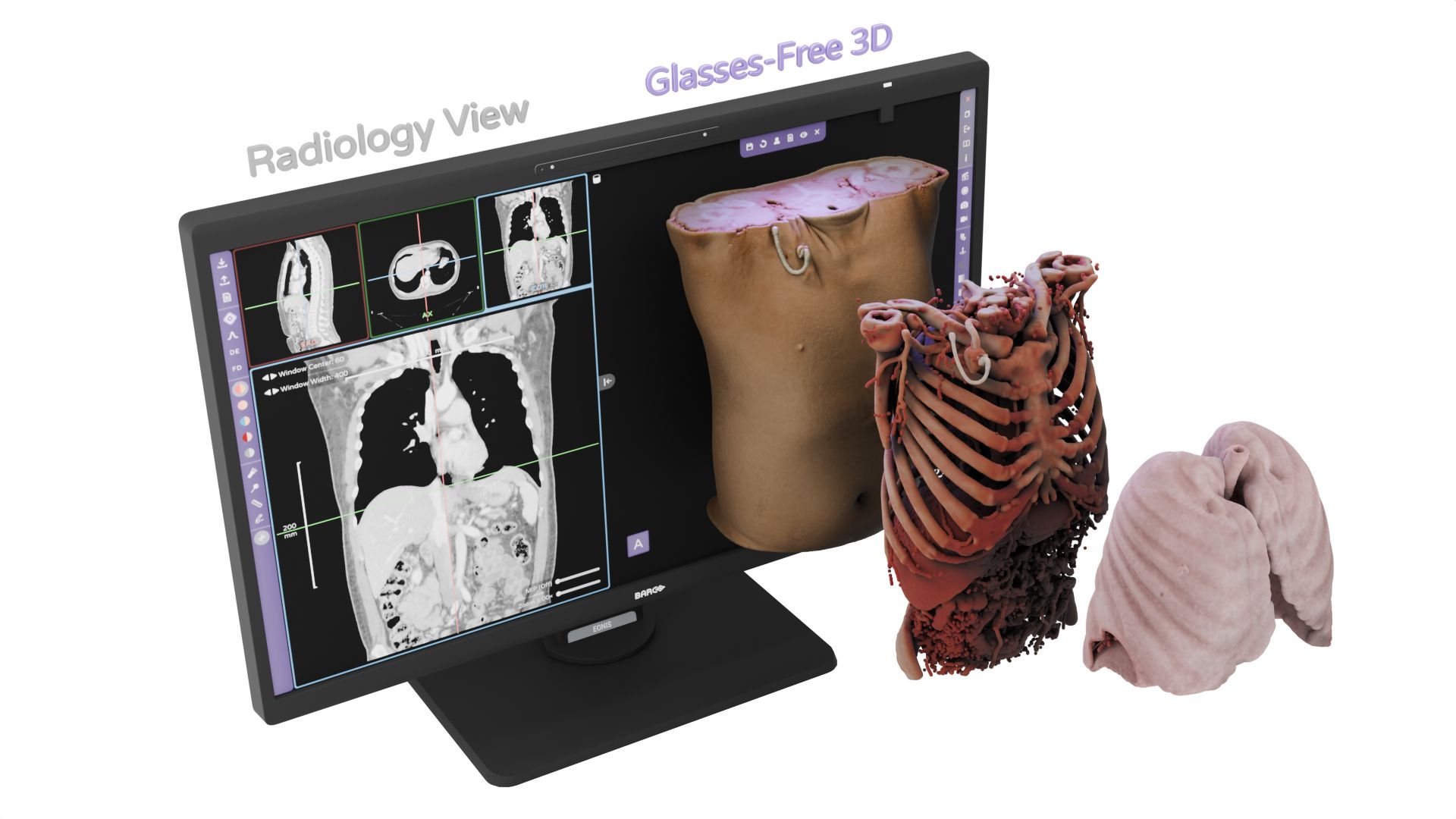
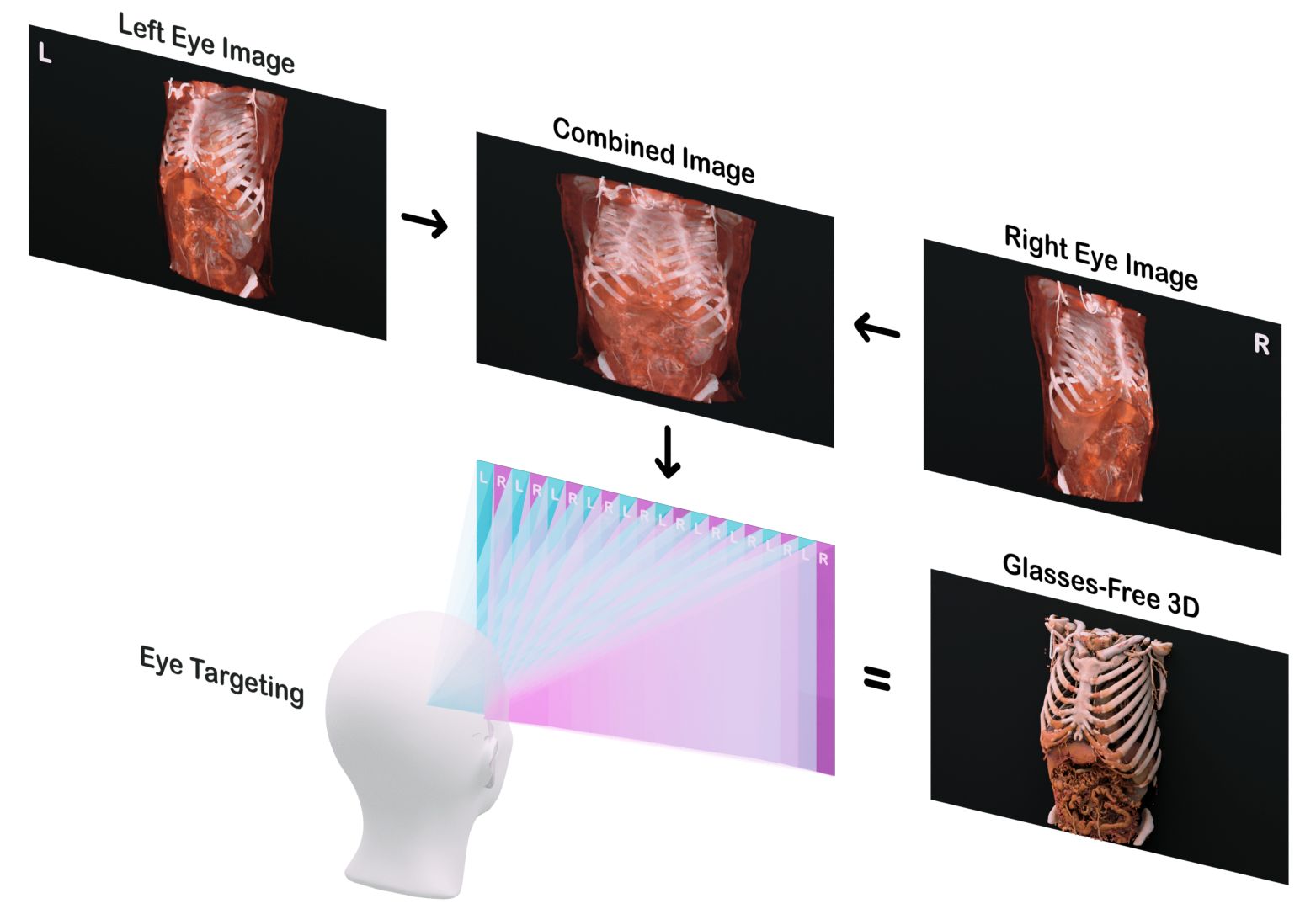
Evolving the consultation starts by making medical imaging something patients can actually see and grasp. Turning CT and MRI into real-time, interactive, glasses-free 3D views transforms images into a shared visual language between clinicians and patients.
This shift matters most at the first moment of encounter: the consultation. This is when trust is formed and difficult decisions are made. When anatomy becomes understandable, conversations change. Clarity builds trust. Trust supports adherence. Over time, this experience shapes patient loyalty and continuity of care.
What RSNA and CES revealed
RSNA brings together experts trained to read subtle shades of grey and reconstruct anatomy in their minds. Historically, medical images were built for diagnosis by specialists. That paradigm is evolving: imaging is increasingly seen as a tool for communication, not just interpretation — for surgeons, care teams, and patients alike.
CES offered a different mirror. In that context, everyone is a patient, or the family member of one. The conversations naturally returned to fear, confusion, and the desire to understand what is happening to one’s body. The need for clarity is universal.
From RSNA validation by AuntMinnie and DOTmed to CES 2026 awards including the CES Innovation Award (Digital Health), the Lara Lewington HealthTech Award, and the Techlicious Spotlight Award, the momentum reflects a shared realization: better care starts with better understanding.
Beyond the “wow”
Glasses-free 3D creates an immediate sense of possibility. But real change depends on workflow integration, fitting seamlessly into consultation rooms, clinical routines, and everyday practice. Without that, innovation remains a moment. With it, it becomes a standard.
From evolution to scale
The direction is clear. The challenge now is moving from vision to scalability and large-scale deployment in hospitals — so that clearer, more human consultations become the norm rather than the exception. This is how the Clinic of the Future moves from concept to everyday clinical reality..