XR: Virtual Reality, Augmented Reality, Mixed Reality
For XR enthusiasts like myself, the last few years have been a reality check. Between "metaverse" fatigue and a wave of discontinued headsets, it’s clear the market is retracting.
In the medical world, this is not a surprise. While immersive tech has demonstrated great potential, the clinical friction is real. Let’s be honest: doctors lack the time to troubleshoot tangled cables, charge controller batteries, or navigate endless software updates. Add in the "XR nausea" factor, and it's clear: in the hospital, clunky ergonomics don’t just impede workflow, they stop it cold.
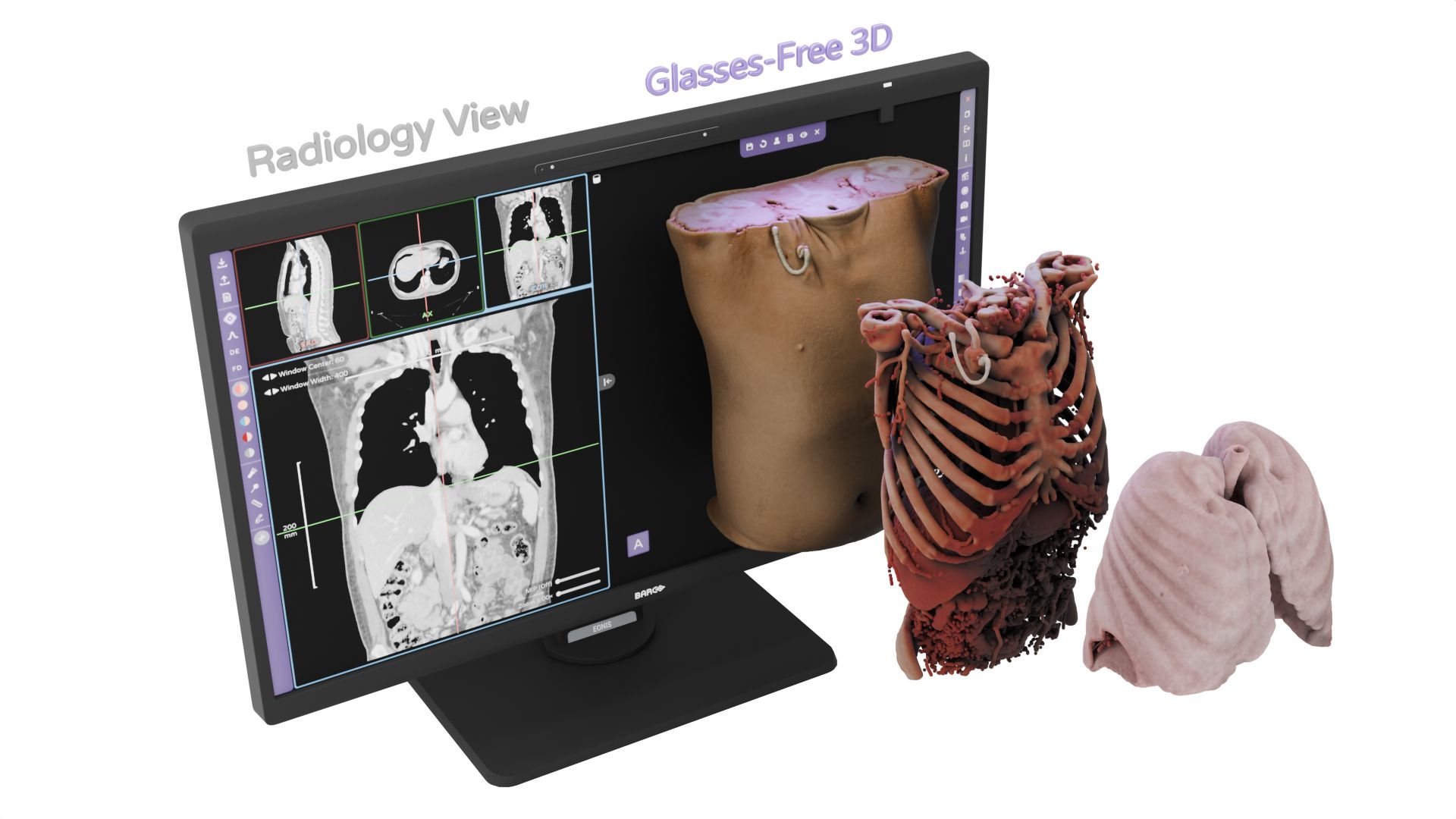
While headsets are finding their niche in training and gaming, a different XR technology is quietly carving out a place for clinical use: Glasses-Free 3D (autostereoscopic) displays.
How does it work?
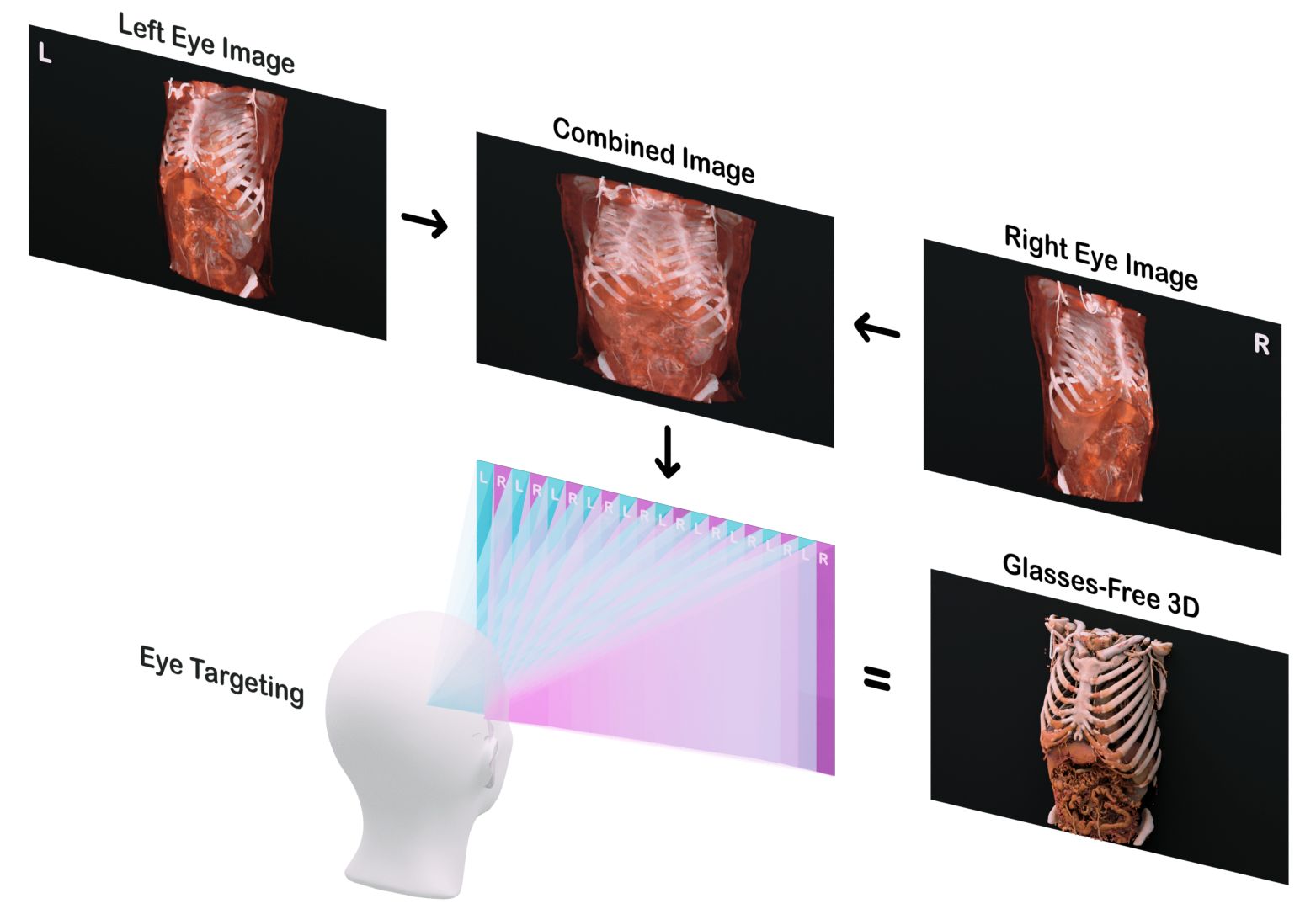
Standard XR requires the user to wear a headset with two separate screens–one for each eye–to create a 3D effect. In contrast, glasses-free 3D displays use the screen—not eyewear—to create the 3D effect:
1. An image combining left and right eye views is projected through an adhered layer of microlenses on the screen.
2. The screen "decrypts" the combined image, sending distinct images to each eye of the viewer individually.
3. A 3D scene that convincingly floats out of the display in front of the viewer.
No headset. No cables. No batteries. Just plug-and-play impactful, immersive visualization that fits the clinical setting.
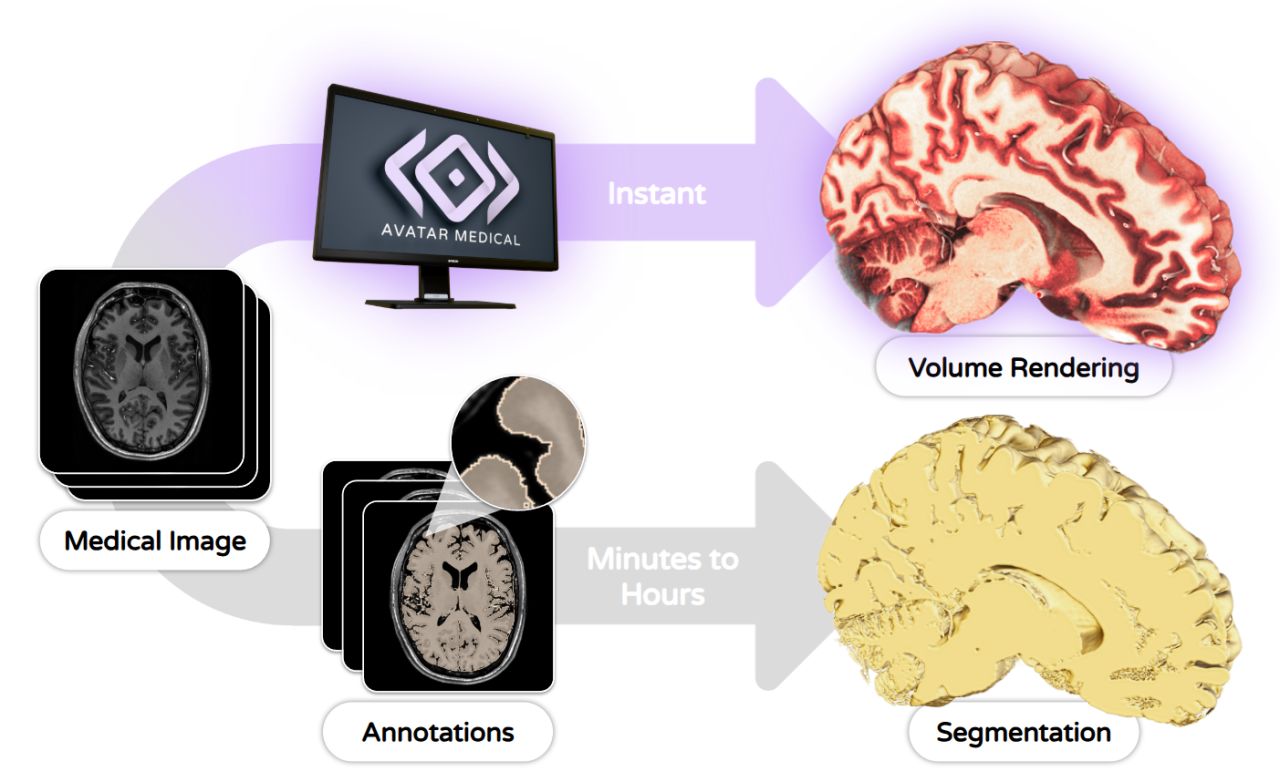
At Avatar Medical, we have partnered with Barco, the leader in radiology displays, to bring our superior medical image rendering technology to their next-generation Eonis 3D autostereoscopic display, powered by Unity, Leia Immersity and NVIDIA for real-time compute capabilities.
The result is Eonis Vision, the first-ever FDA-cleared software/hardware bundle for this display technology and CES Innovation Award 2026 winner.
What makes this a game-changer in the clinic?
✓ Dual-Purpose. It works as a high-quality 2D monitor for everyday work, but switches to lifelike autostereoscopy in one click.
✓ Precision Eye-Tracking. The screen’s lenses adjust instantly to follow viewer eyes so the image stays clear even with head movement.
Clinical innovation fails when it creates a barrier between the doctor and the patient. In the race for adoption, value is measured by the absence of friction. Although the first generation of glasses-free 3D displays is limited to single-user experiences and limited interaction with a computer mouse, by removing the XR headset, Eonis Vision restores the eye contact and human connection essential to care.
It is more than a display—it is a bridge from complex data to clinical confidence. When the patient leaves the consultation room, they aren't just informed; they are empowered.
See our whitepaper that details the clinical impact.