This article originally appeared on MedCity News on 05/17/2026.
Hospitals have long viewed patient experience mainly as a reputation issue — improve satisfaction, reduce complaints, and protect the brand.
Those goals remain, but they overlook a deeper shift in healthcare today. Whether patients truly understand their diagnosis and treatment choices tends to be an operational and sometimes financial issue.
In a healthcare system facing value-based reimbursement and workforce shortages, patient confusion impacts operational performance. If patients leave appointments unclear concerning next steps, it delays decision-making and business progress.
That hesitation affects both patients and the institutions treating them.
Hospitals who prioritize patient understanding achieve better operational outcomes. Higher surgical conversion rates, increased patient retention, and repeat engagement produce measurable performance gains. Understanding, in other words, isn’t just a bedside manner issue anymore. It’s becoming part of the medical service delivery infrastructure.
The tie to revenue
Part of this shift is able to be traced back to value-based care. Programs like the Hospital Consumer Assessment of Healthcare Providers and Systems survey, better known as HCAHPS, link reimbursement to aspects of the patient experience, including how clearly clinicians communicate with patients.
Hospitals today are evaluated not only on clinical outcomes, but also on whether patients feel educated and engaged in their care. Those scores affect reimbursement levels, public reporting, and hospital rankings. But the financial implications reach beyond federal programs.
Patients who understand their diagnosis and treatment options are simply more likely to move forward with care. They schedule procedures. They return for follow-ups. They stay within the same health system when new medical needs arise.
Consistent understanding strengthens procedural volume and builds long-term patient relationships which are key drivers of organizational growth.
Clear communication also reduces friction inside the care process itself. Patients make decisions faster. Clinicians spend less time revisiting the same explanations during already compressed appointments.
What once looked like a “soft” metric is influencing business performance. Also, in the post-Covid-19 era, and now empowered by ChatGPT, patients come to the examination room with higher expectations.
Why it’s harder than it sounds
Communication is not simply a soft skill in medicine — it’s a fundamental operational requirement.
Research regularly shows that patients who understand their condition and treatment plan are more prone to adhere to care recommendations and participate in shared decision-making. But obtaining genuine patient understanding is difficult.
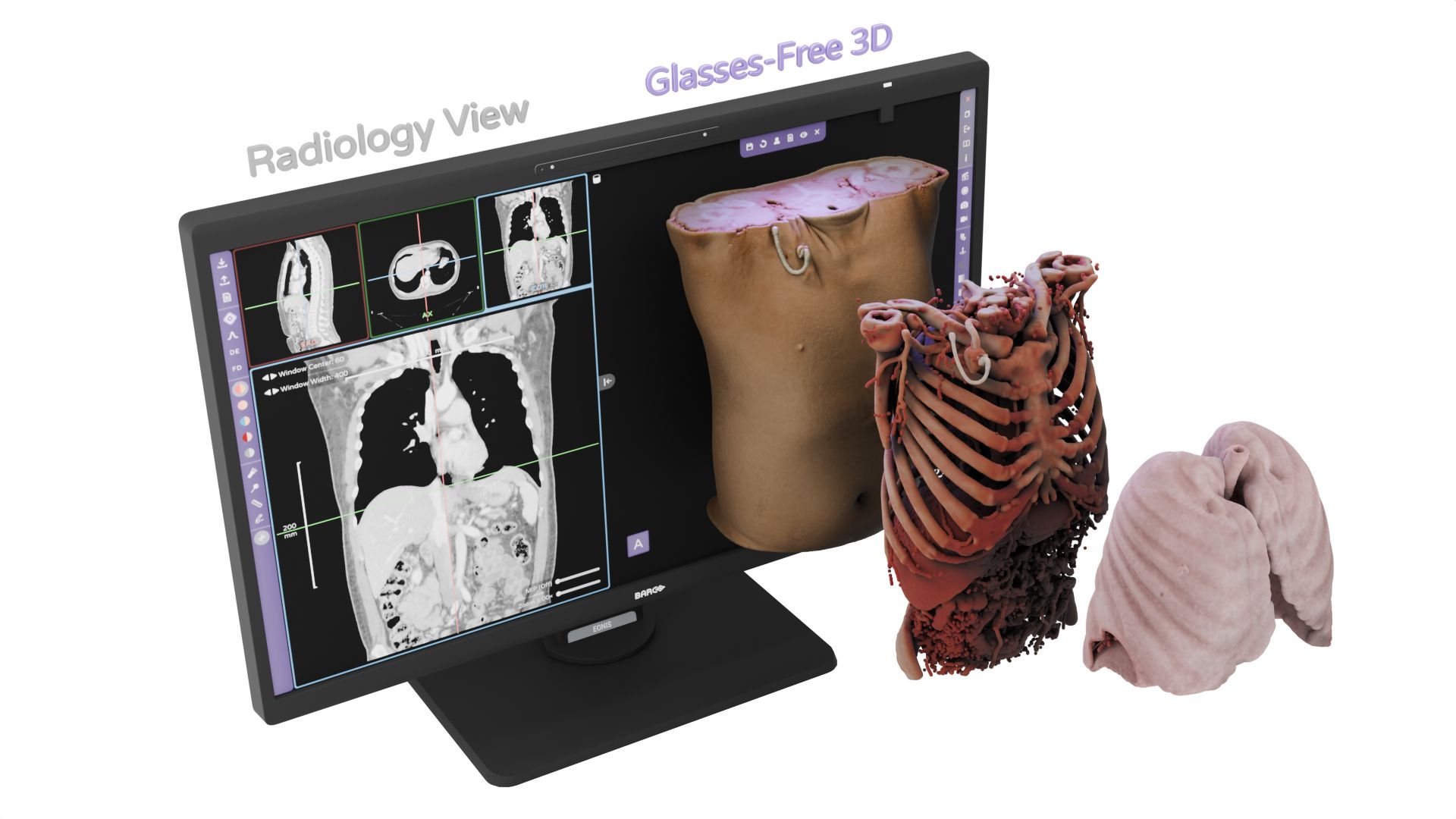
Specialties such as neurosurgery, oncology, and cardiology rely heavily on imaging. CT scans and MRIs are necessary diagnostic tools, yet they are rarely intuitive to someone without medical training.
Even detailed explanations can remain abstract when delivered through grayscale, two-dimensional images filled with unfamiliar terminology.
Patients frequently leave an appointment believing they understood the conversation, only to realize later that they’re still unsure about important details. That gap between explanation and comprehension can quietly shape what happens next.
The hidden cost of patient out-migration
Healthcare leaders are very familiar with patient leakage —the situation in which patients seek treatment outside the system where they were first diagnosed.
Access issues, insurance networks, and scheduling delays all contribute. But confusion is often an overlooked factor.
When patients leave a consultation without a clear understanding of their condition, many seek reassurance elsewhere. Sometimes that means a second opinion. Sometimes it means an entirely different health system.Each of those decisions represents both fragmented care and lost revenue.
Confusion also creates smaller but persistent operational problems. Patients postpone decisions, or they decide against the treatment; something that happens often with spine surgery, for example. They call back repeatedly with questions. They miss follow-up appointments because the next step was never fully clear. For leaders managing workforce shortages, these flaws entail major operational risk.
Read the full article here.